Step 3: Imagine
Let's play! The objective of this step is to explore unconventional ways of approaching objects from digital collections, using wandering imagination as a means to open creative paths.
To carry out the exercises that follow, we invite you to look again at the objects selected during step 1, Be Curious. Choose an object that you did not use in previous exercises and question it through the imagination games suggested below.
+ This step is carried out in groups, synchronously.
+ Estimated time: 40 minutes.
assignmentActivity 1: Let's Personify!
See more keyboard_arrow_downDuration: 10 Minutes
Materials:
- Your body.
Step by step instructions:
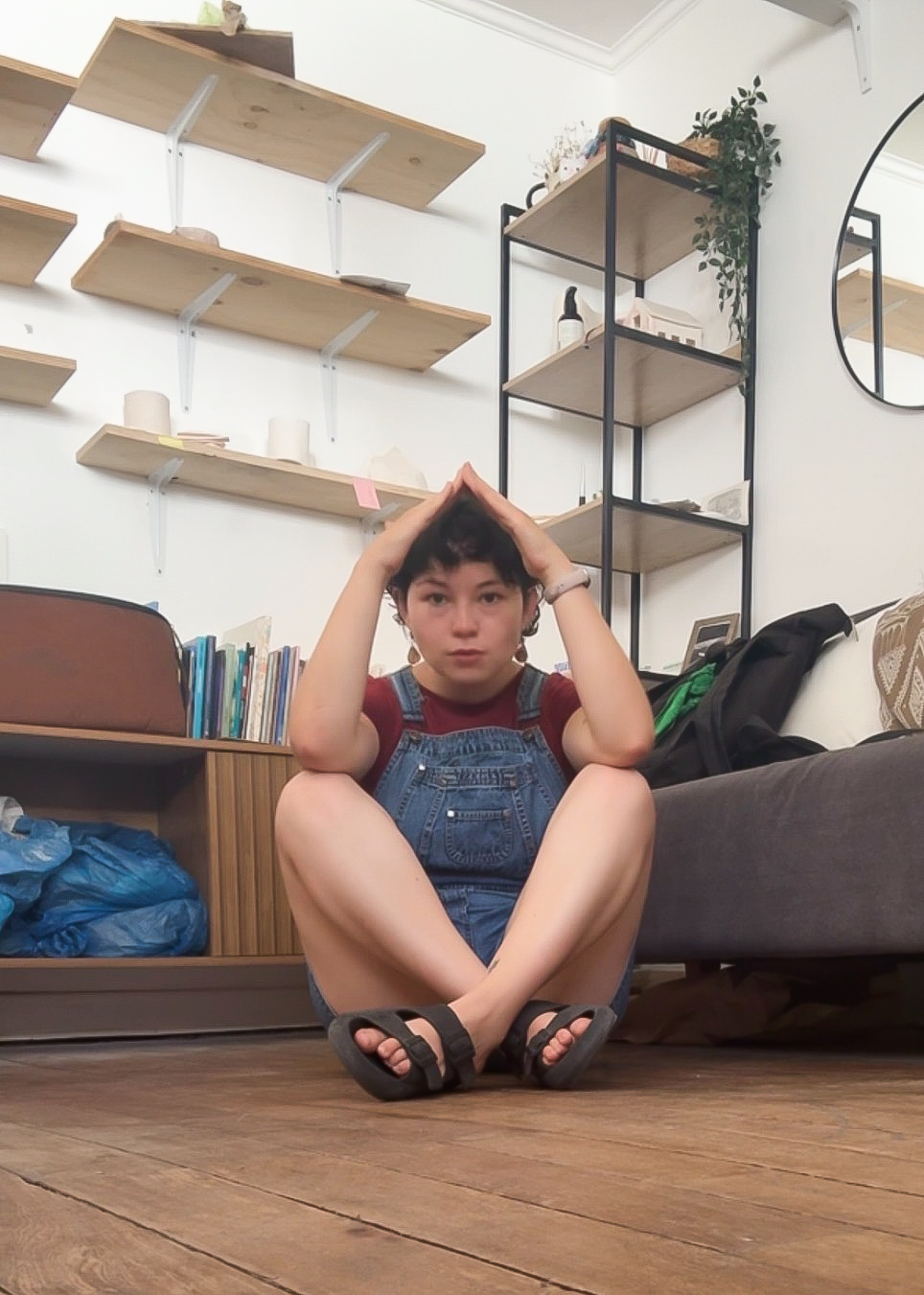
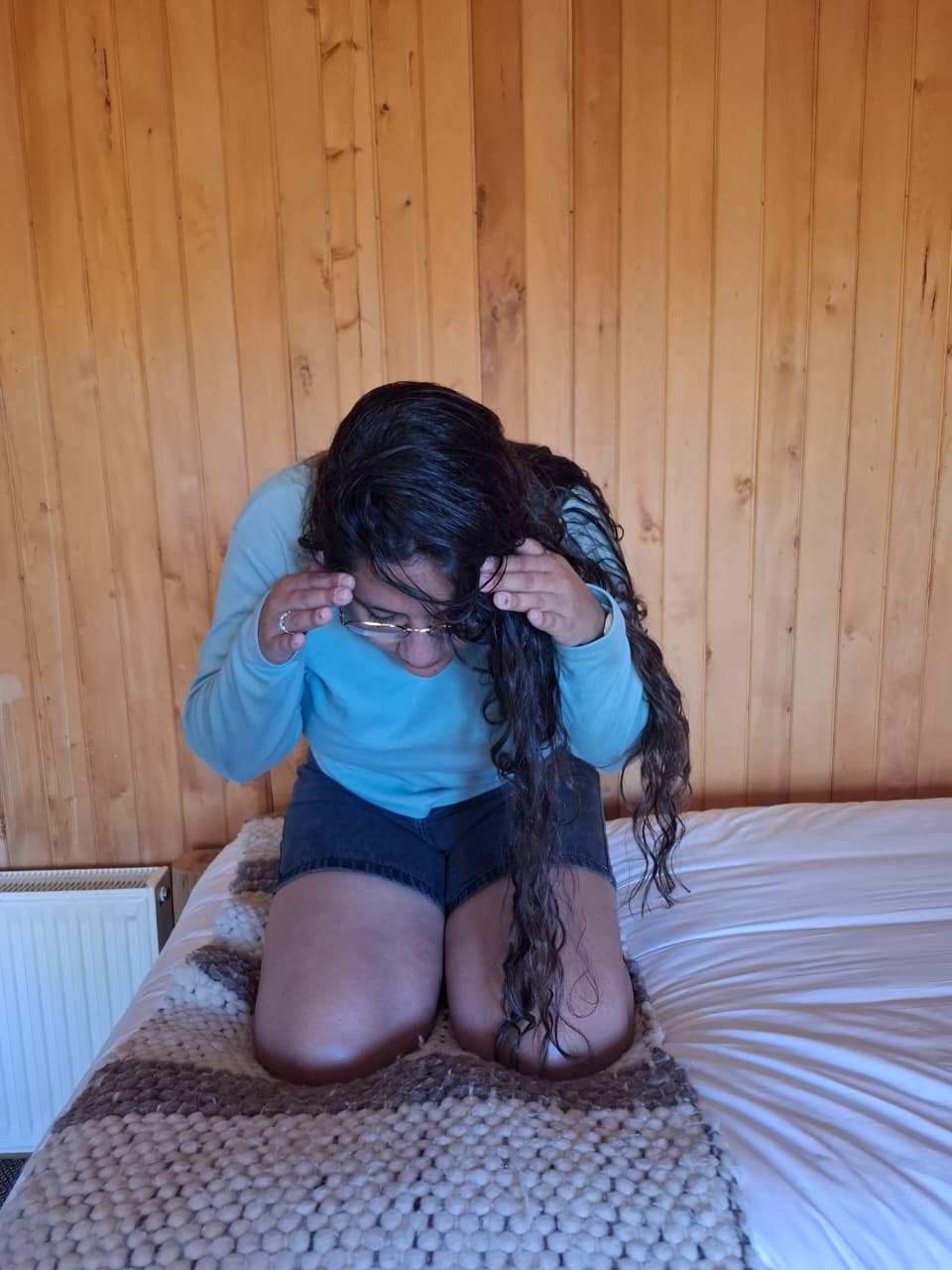
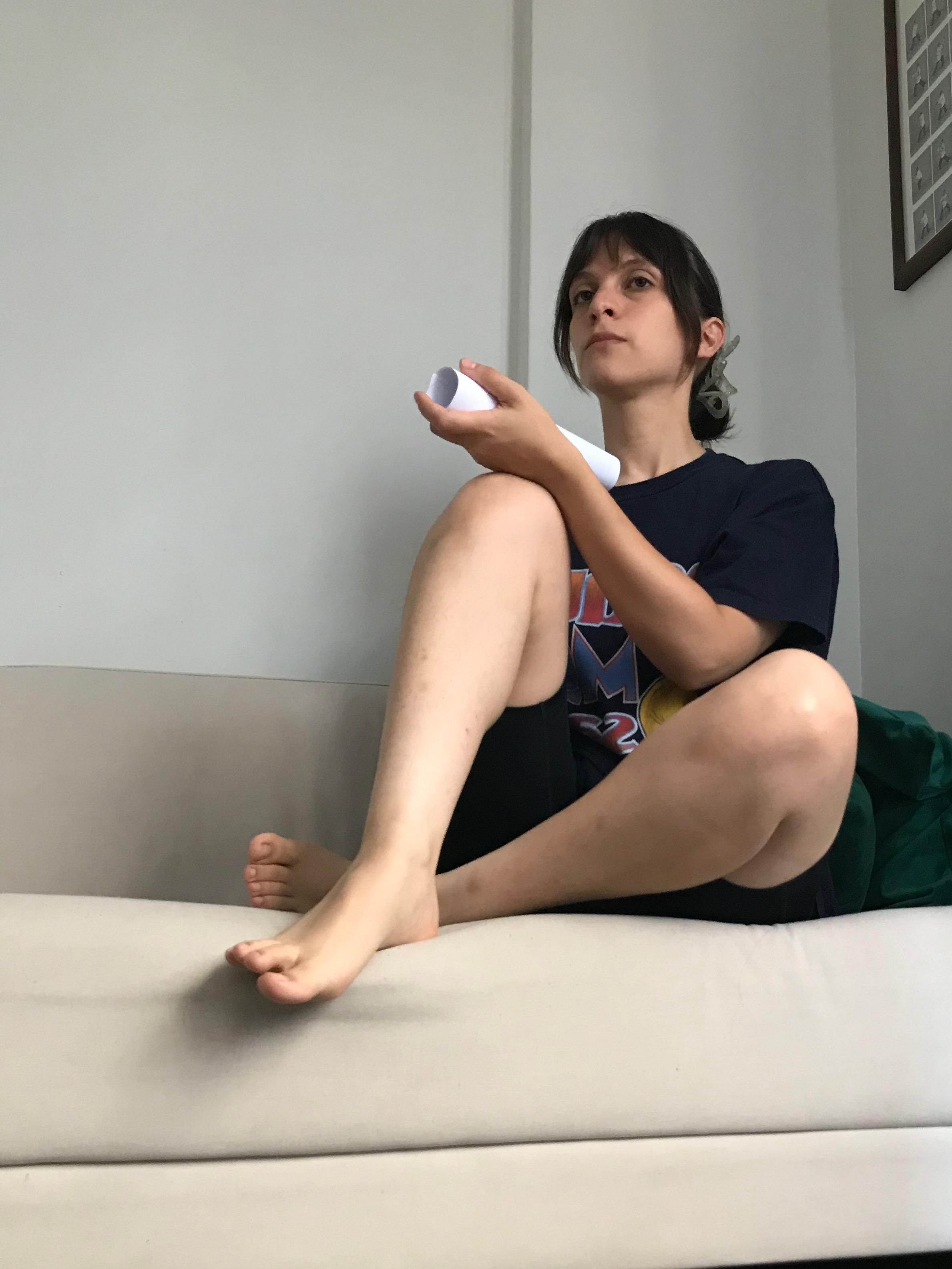
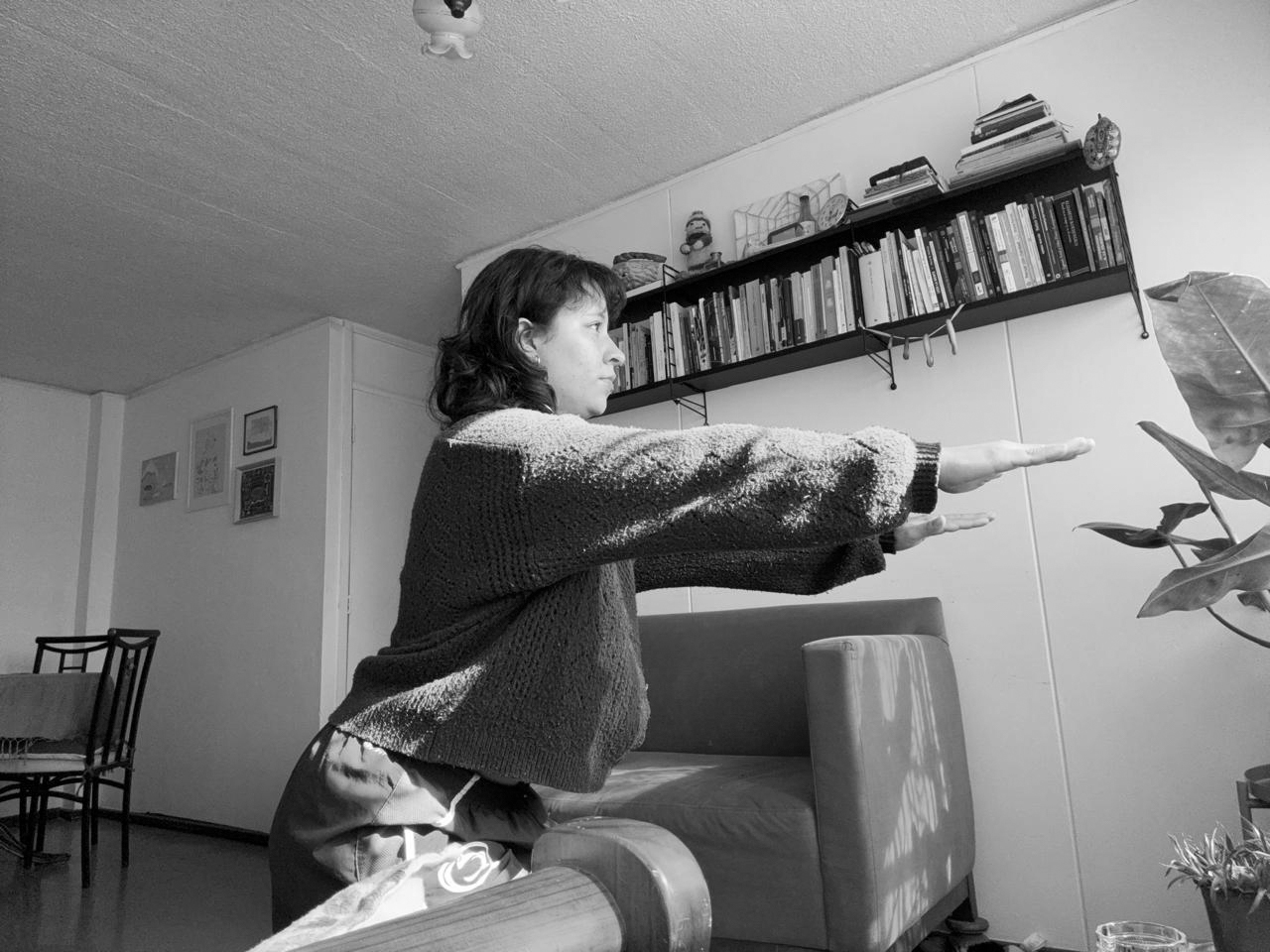
- What would it feel like to be the object that I chose? Standing up, each student imitates with their body the forms, movements, and interactions of the selected object.
- The others guess which object it is.
- Take a group screenshot representing the acted-out objects and upload it to the shared logbook.
assignmentActivity 2: Life from the Object
See more keyboard_arrow_downDuration: 20 Minutes
Materials:
- Shared logbook.
Step by step instructions:
-
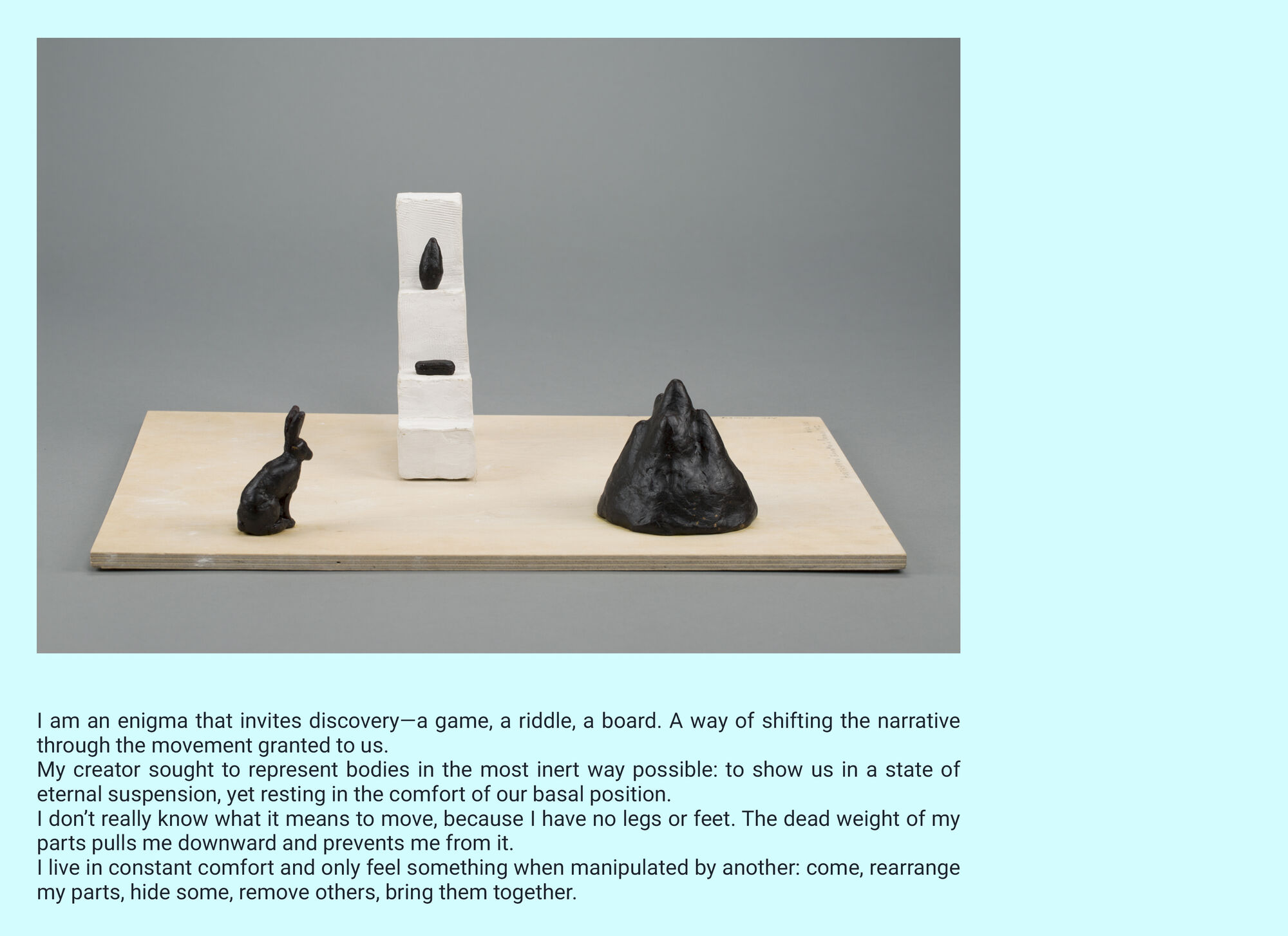
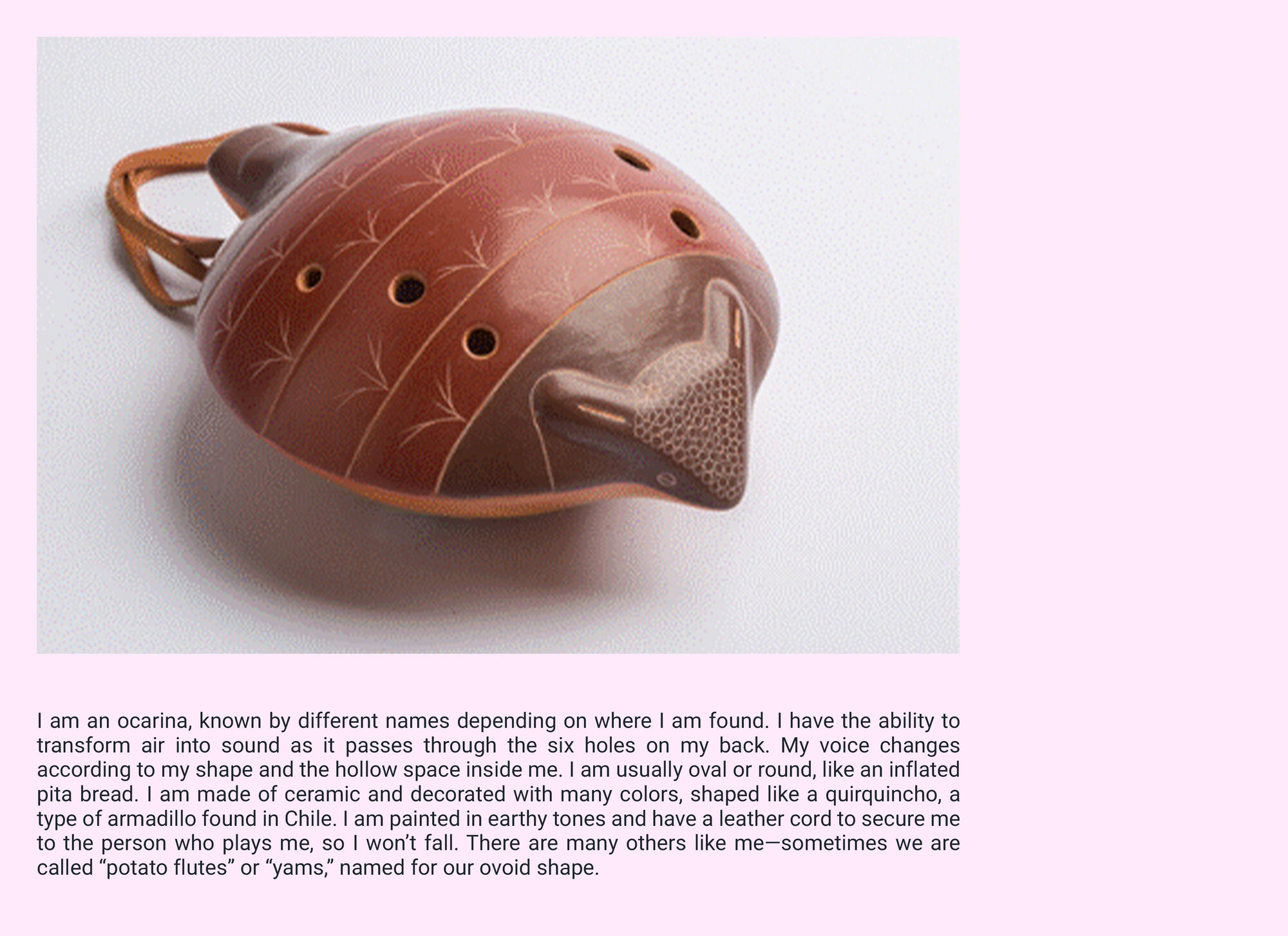
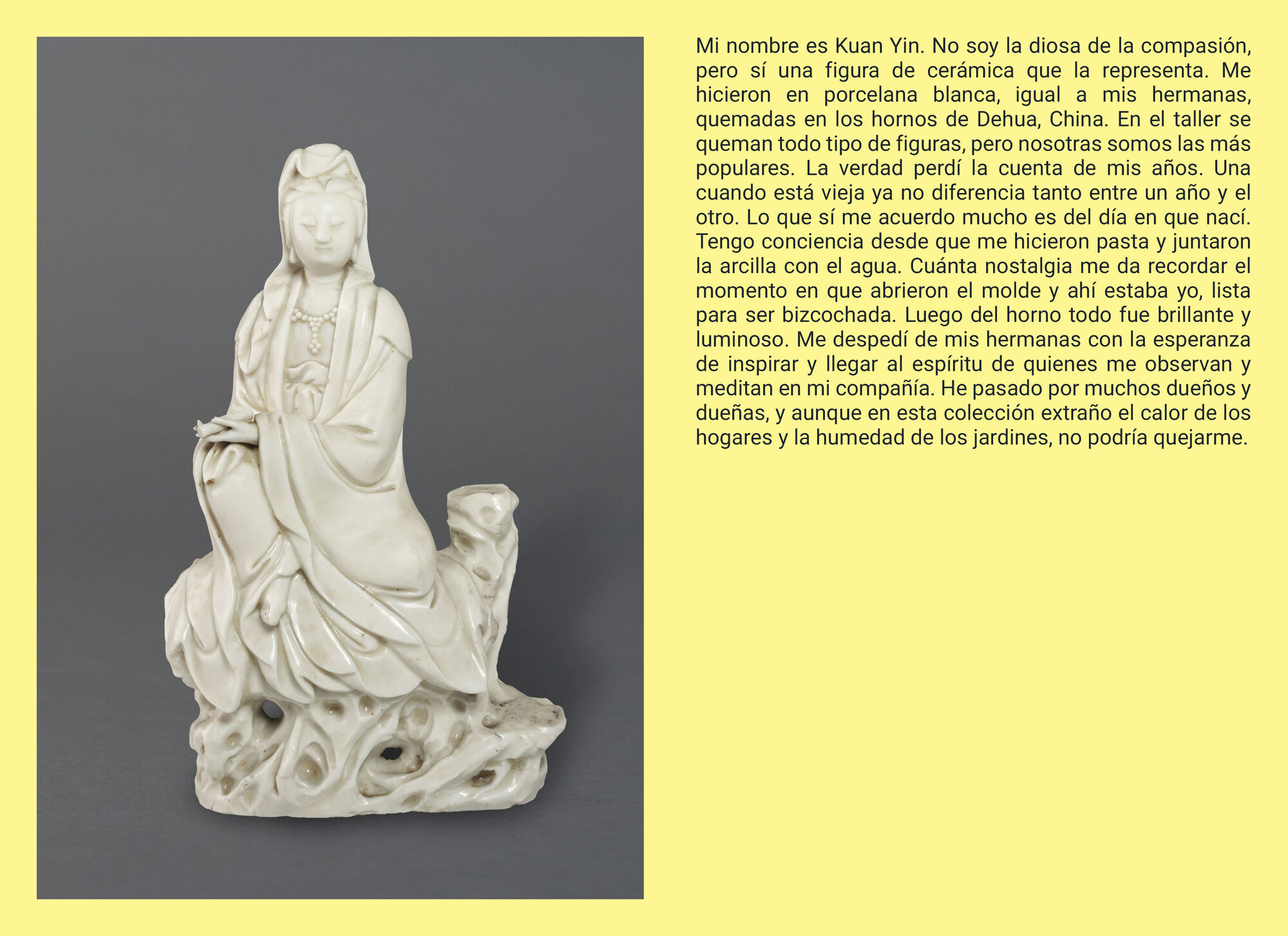
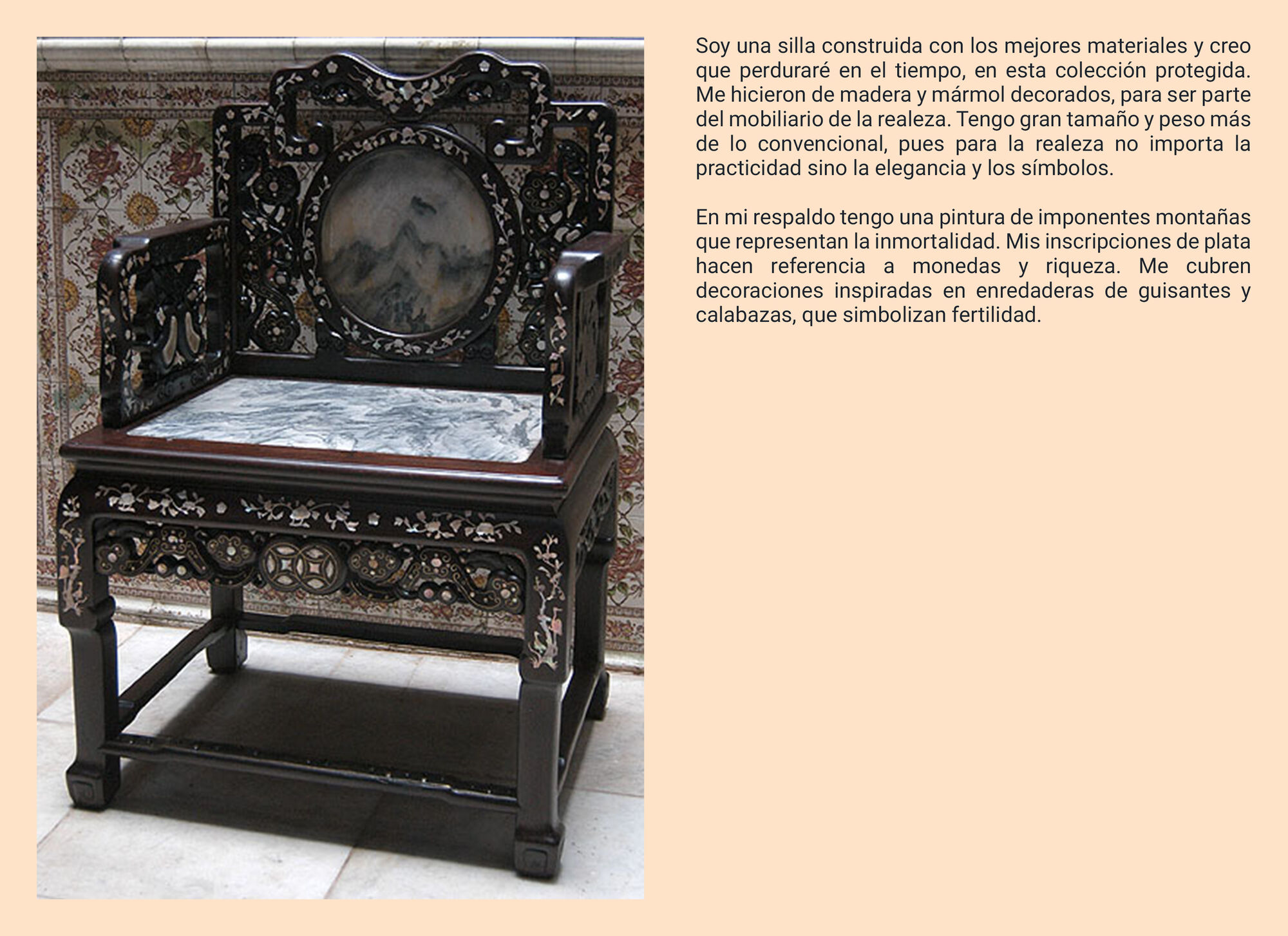
Let's play by writing fiction. Putting ourselves in the place of the object, we will write its biography in the first person, including elements of its record that can create an interesting story and imagining what we do not know. We will have 20 minutes to write.
We suggest the following guiding questions:- What might the object have been like at the time it was created? Might any of its parts have worn down or changed color?
- What is the world like seen from its perspective? What might its sensations have been throughout its history and useful life?
- How do I imagine the historical context of this object? With what other objects or people does it interact, and how?
- Taking turns, read the story aloud to your classmates.
- Upload your stories to the logbook.