About the project
The project
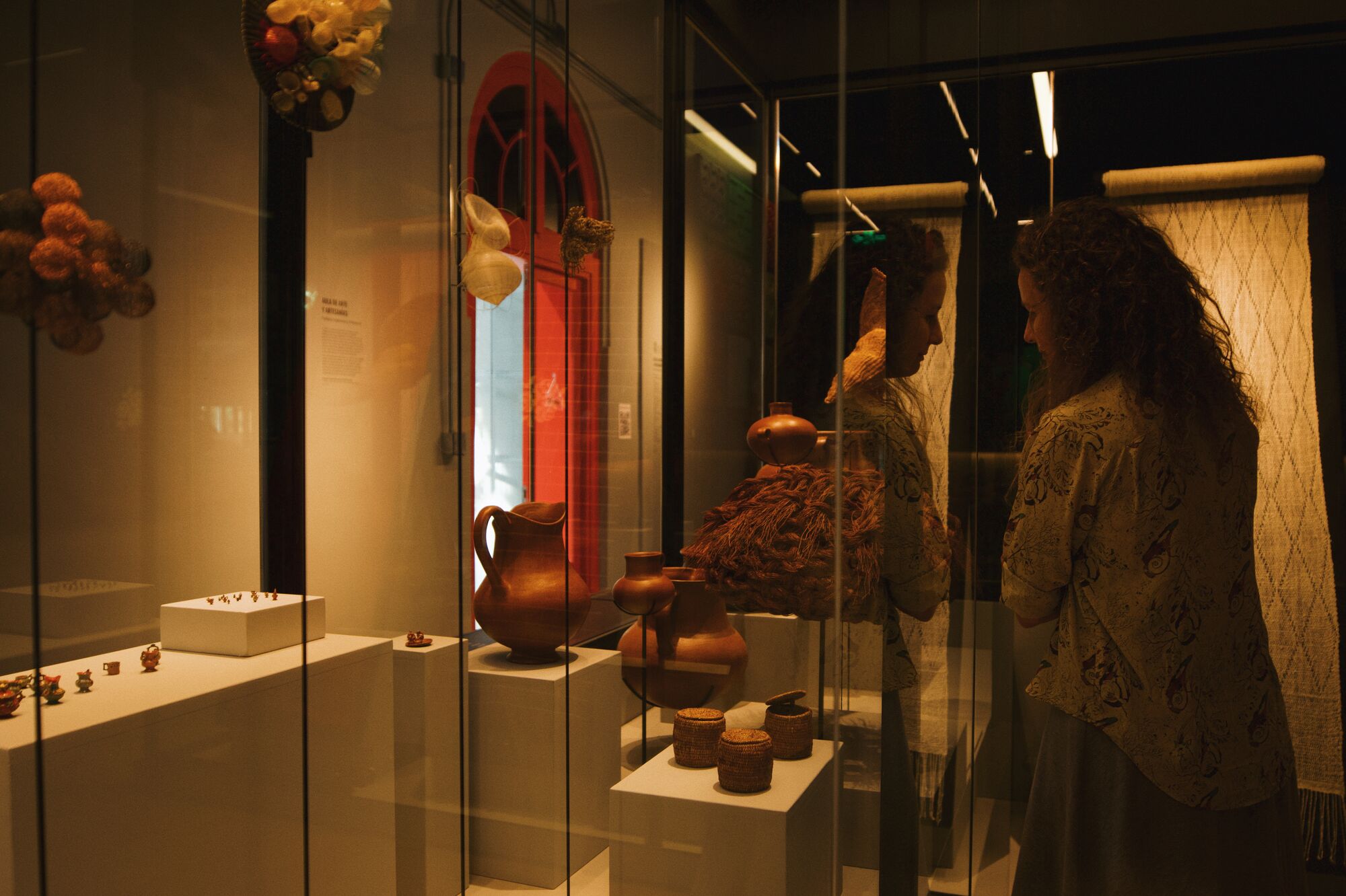
Thinking Through Things is a project that emerged with the purpose of exploring how objects preserved in university collections can open new forms of global learning. Many universities safeguard cultural, scientific, or historical collections that document human creativity over time. However, these objects are not always actively integrated into teaching. This project proposes seeing them as starting points for dialogue, imagination, and encounters among students from different cultural contexts.
The initiative was developed with a Seed Fund from the U21 International Network, with the objective of promoting the pedagogical use of university digital collections in collaborative COIL courses (Collaborative Online International Learning). Through this platform, an open methodology is shared that allows instructors and students to explore objects from different collections in order to activate intercultural conversations, strengthen international empathy, and foster situated learning.
The methodological design was developed by Nube Lab, a creative processes laboratory based in Santiago, Chile, which integrates art into educational processes for children, youth, and adults. The work began with a process of research and mapping of university collections and archives, recognizing the diversity of available materials and exploring their pedagogical possibilities. In that process, a conceptual distinction was also established between collections, composed of objects created to be used or exhibited, and archives, which gather documents and materials preserved as the memory of individuals or institutions.
Through meetings, conversations, and collaborative research with representatives from different universities in the U21 network — including the University of Melbourne, Lund University, The University of Hong Kong, National University of Singapore, and Pontificia Universidad Católica de Chile — collections with high pedagogical value were identified, and a number of objects were selected as entry points for experimenting with the methodology.
These explorations led the team to ask not only which objects to show, but how to learn from them. The creative process resulted in a methodology made up of six steps that invite participants to observe, imagine, investigate, and relate to objects through play, intuition, and collective reflection. The goal is to open conversations that, beginning from the singularity of each object and each culture, can connect with questions of global scope.
Acknowledgments
This project was made possible thanks to the collaboration of many people who contributed at different stages of the process.
We especially thank Maribel Florez (Pontificia Universidad Católica de Chile) and Heather Gaunt (University of Melbourne), who promoted the initial collaboration within the U21 network and supported the development of the project.
We also thank the university collections and museum teams at the University of Melbourne, Lund University, The University of Hong Kong, National University of Singapore, and Pontificia Universidad Católica de Chile, who shared information, curatorial guidance, and object proposals for pedagogical work.
At Universidad Católica, we thank Daniela Rosenfeld, Emilio De la Cerda, Elena Alfaro, Isabel Cruz, Olaya Sanfuentes, and Andrés Kalawski, among other colleagues who generously shared their knowledge of university collections and archives during the initial stage of research.
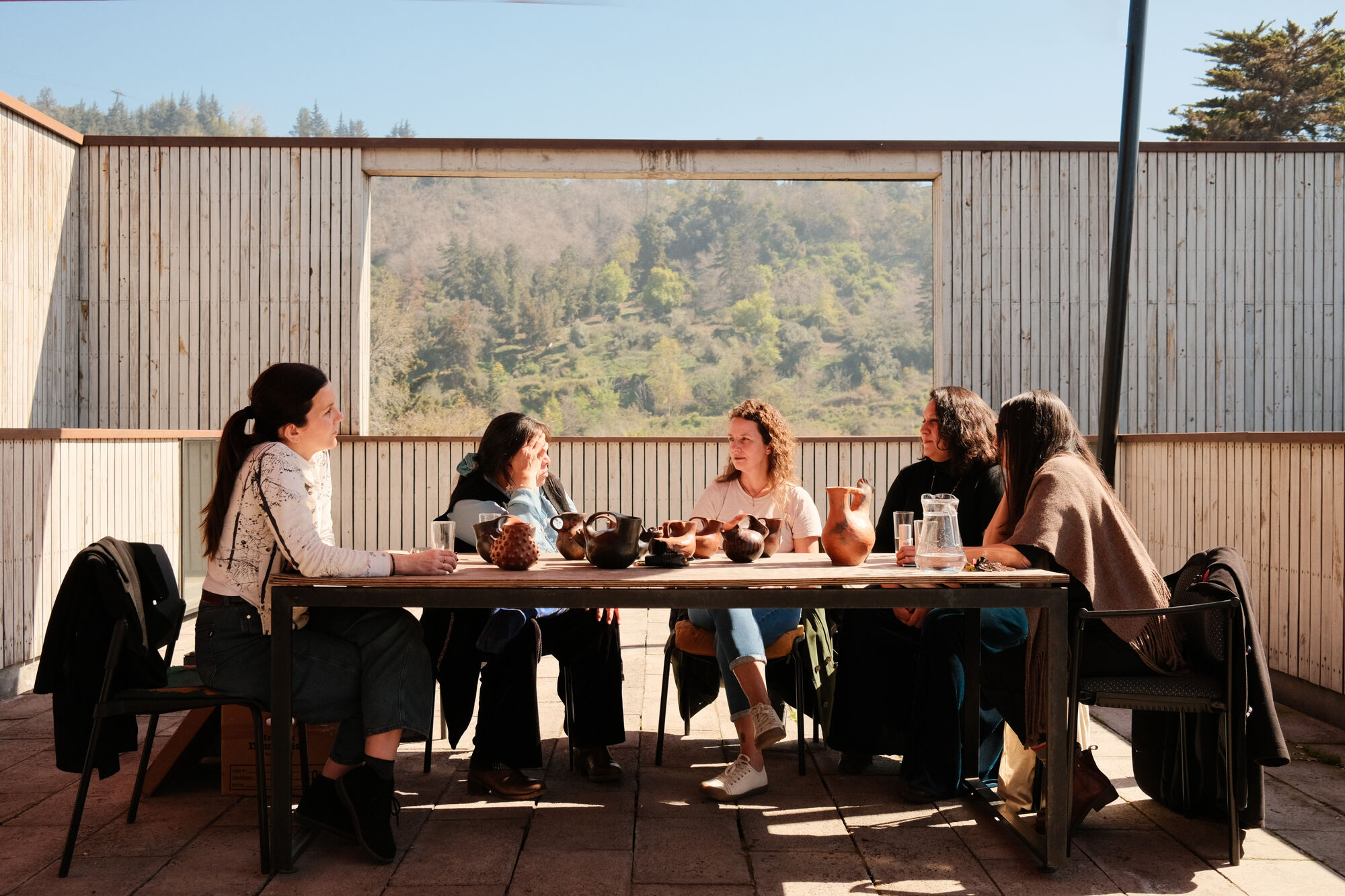
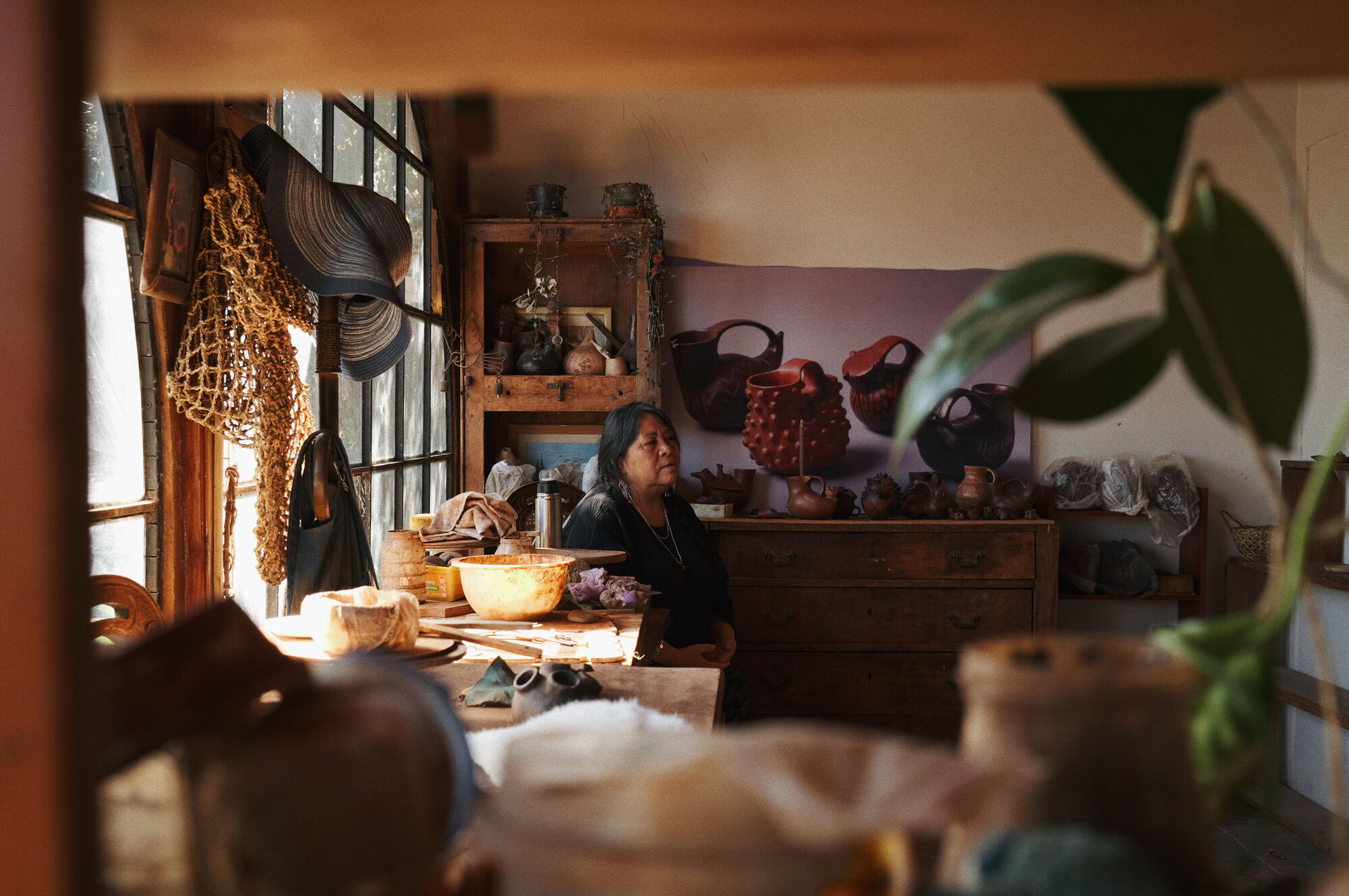
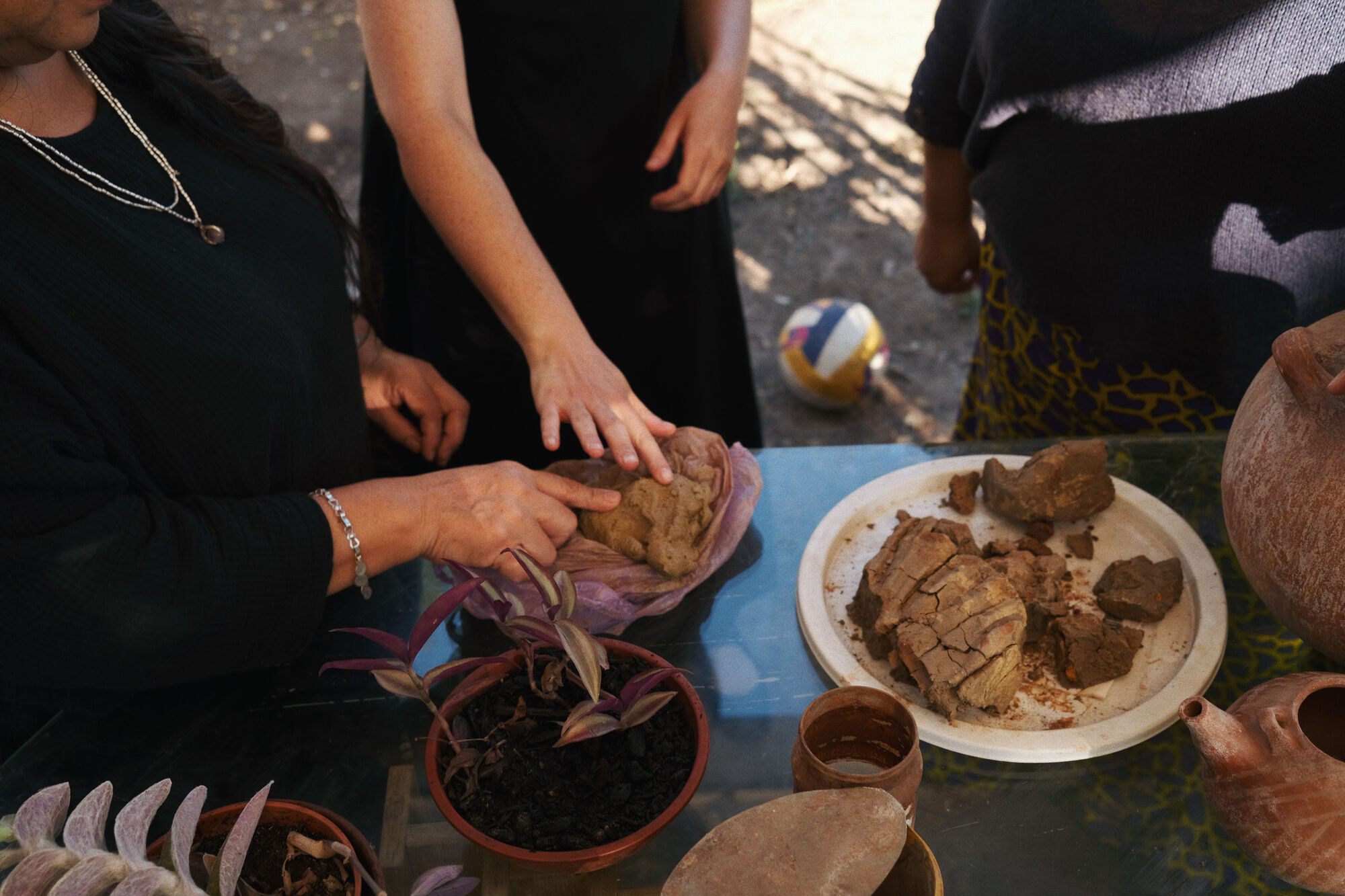
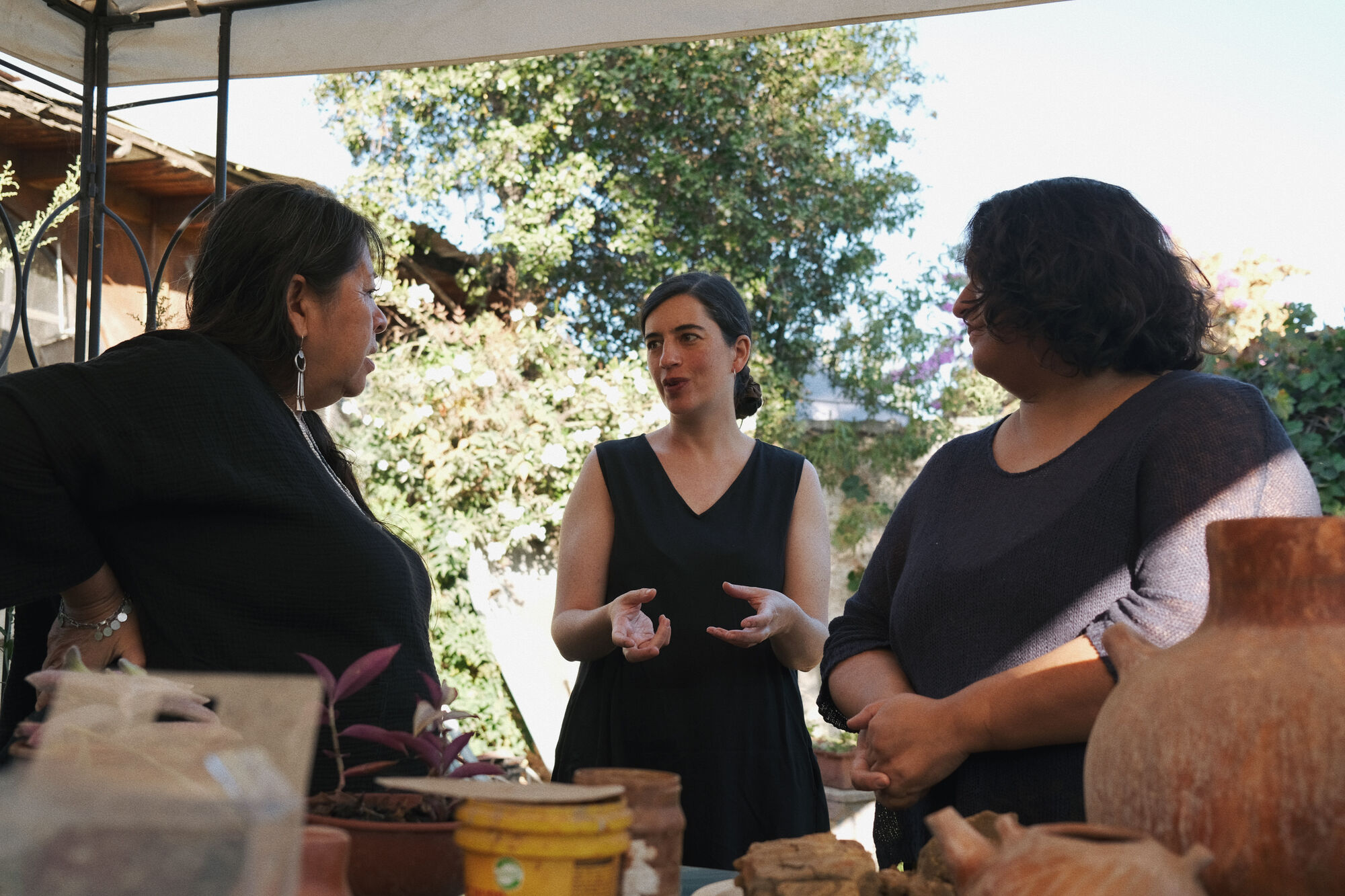
A special thank-you goes to Elena Alfaro and Vania Cabello from the Programa de Artesanía UC, who opened the doors to the world of craft and allowed us to learn about the work of the Mapuche artisan Gloria Huenchuleo. Through her testimony, Gloria taught us how knowledge is also transmitted through making, in dialogue with the territories, memories, and spiritualities that inhabit objects.
The methodology was first tested by Nube Lab's team of artist-educators, who helped explore and adjust the initial exercises. It was later tested in an international context together with Pedro Calgani from the Instituto para el Desarrollo Sustentable UC and students from the university's exchange program.
Finally, we thank Nube Lab's pedagogical and design team, who led this process with dedication.
Team
Pontificia Universidad Católica de Chile

Paula de Solminihac
Project Director

Maribel Florez
Director of Global Learning
Nube Lab
Maria Jacinta Silva
Methodological development and content
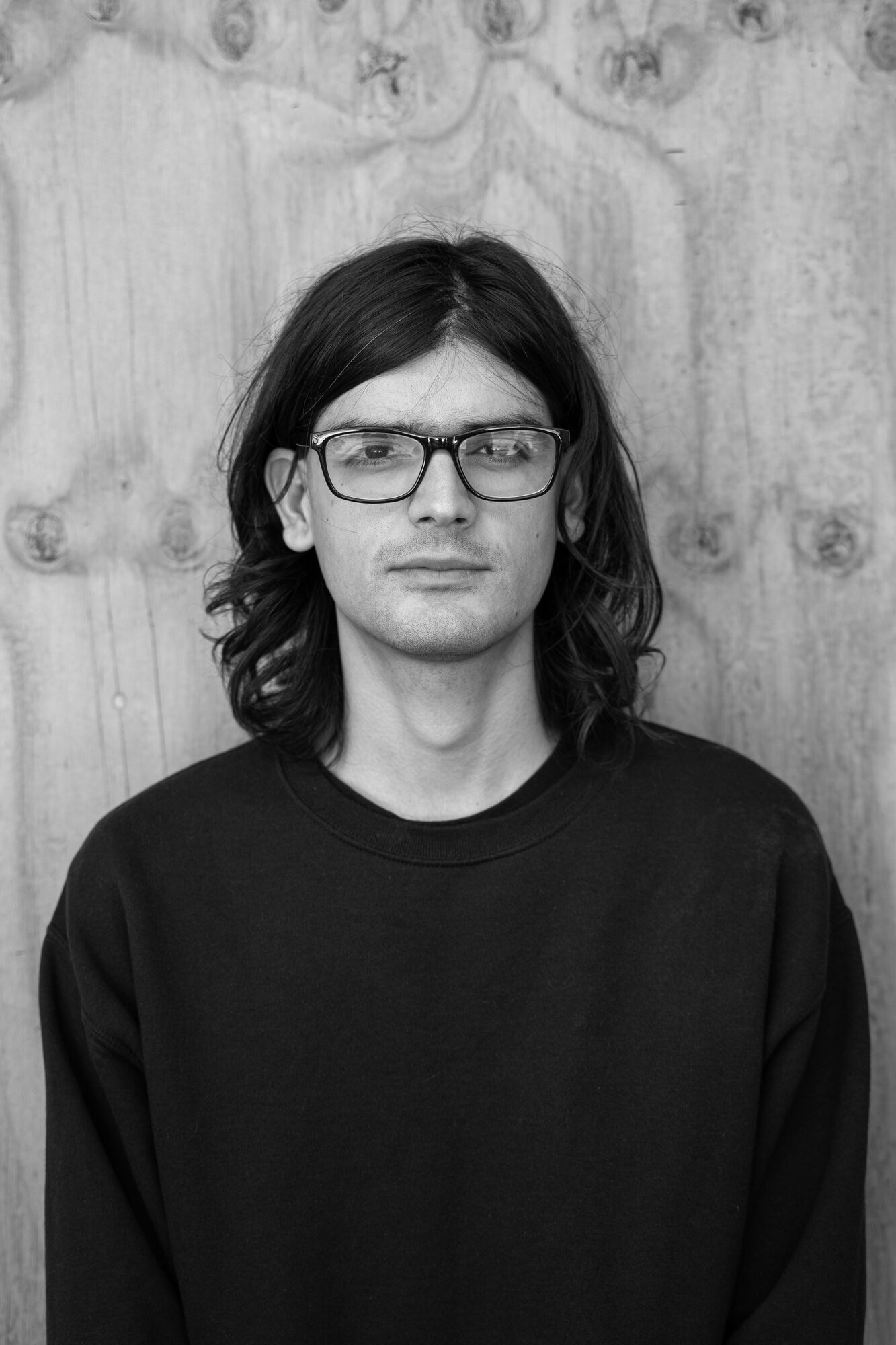
Aníbal Bley
Illustrations
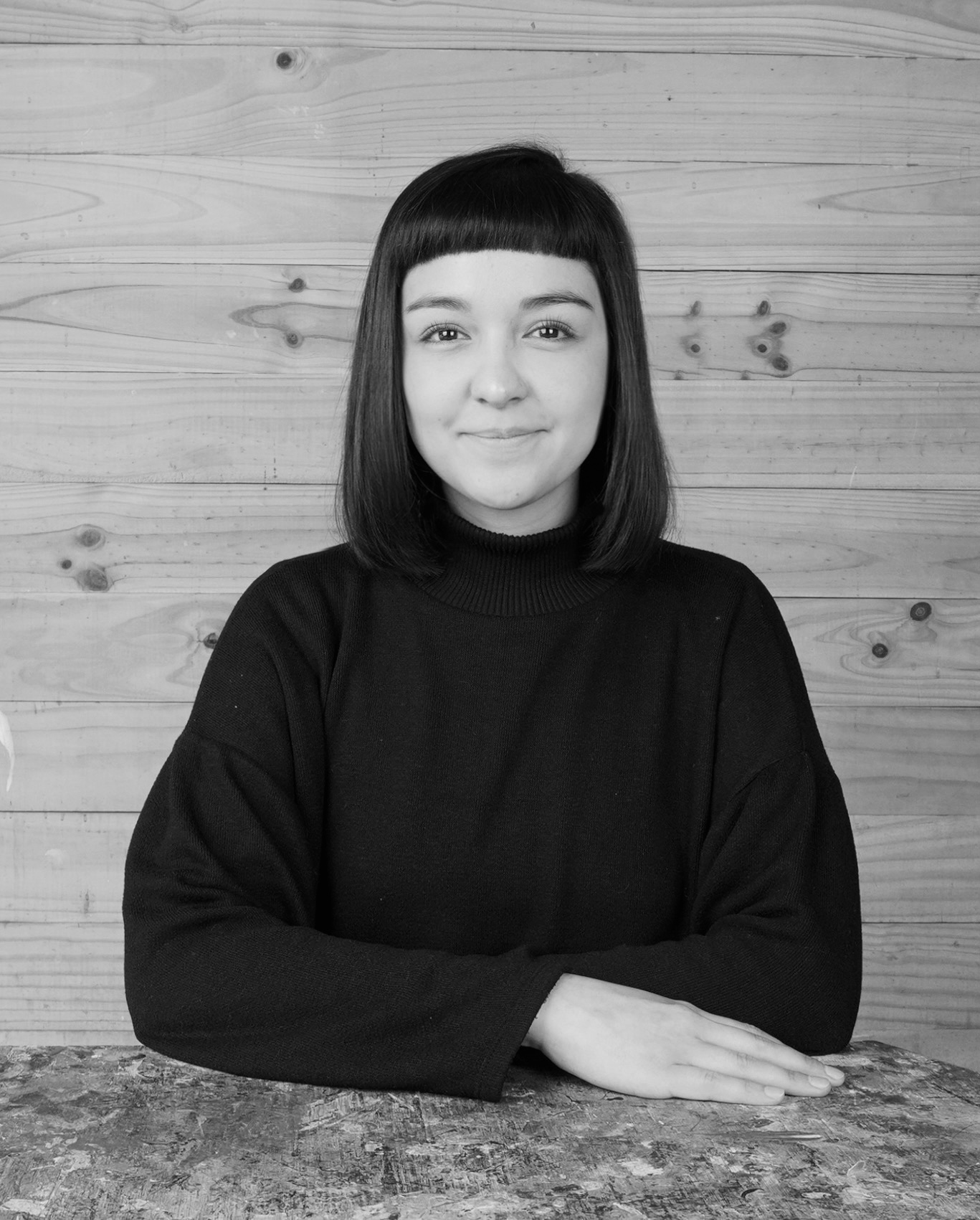
Camila Romero
Web design
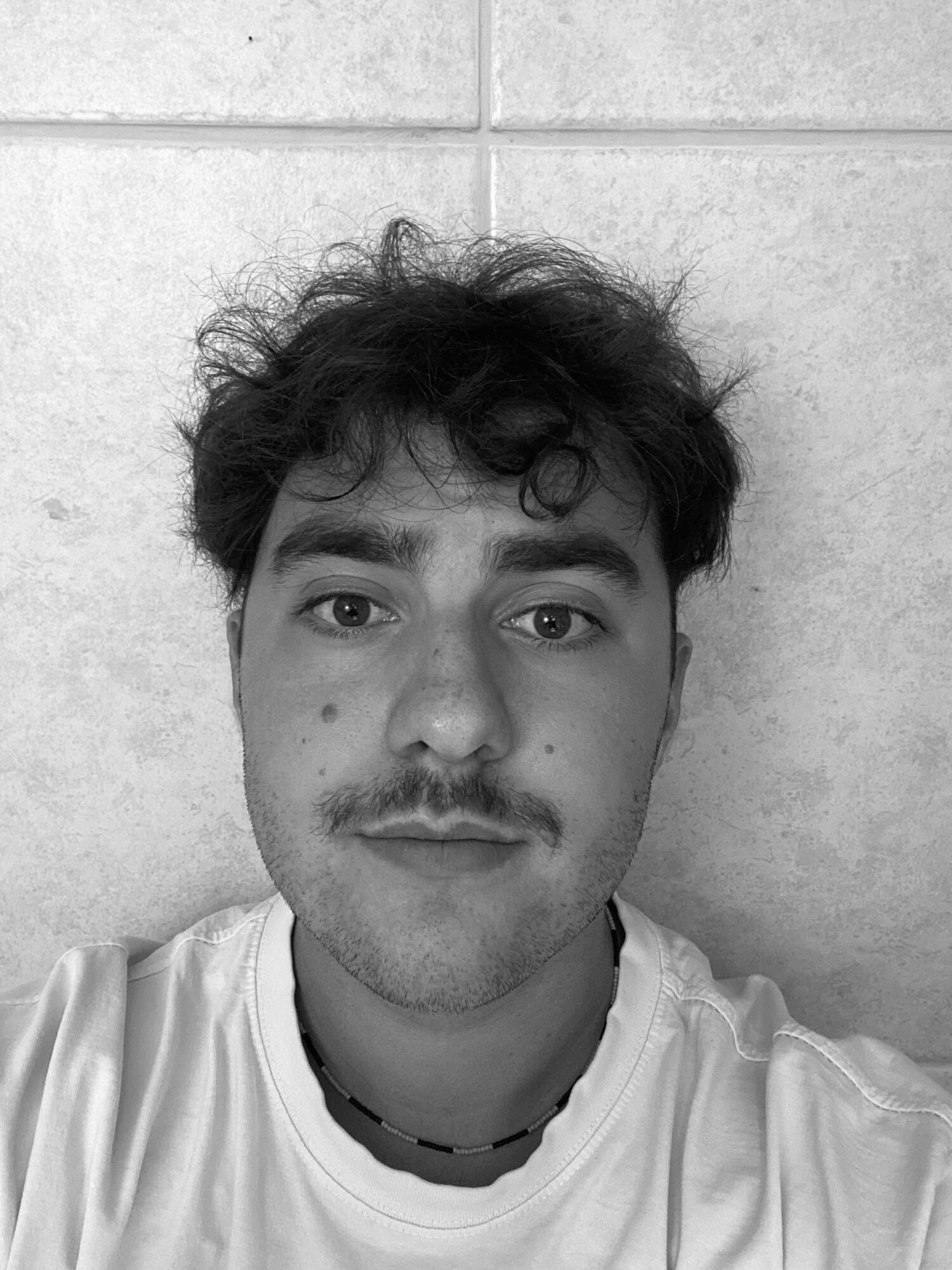
Jaime Fuenzalida
Web design
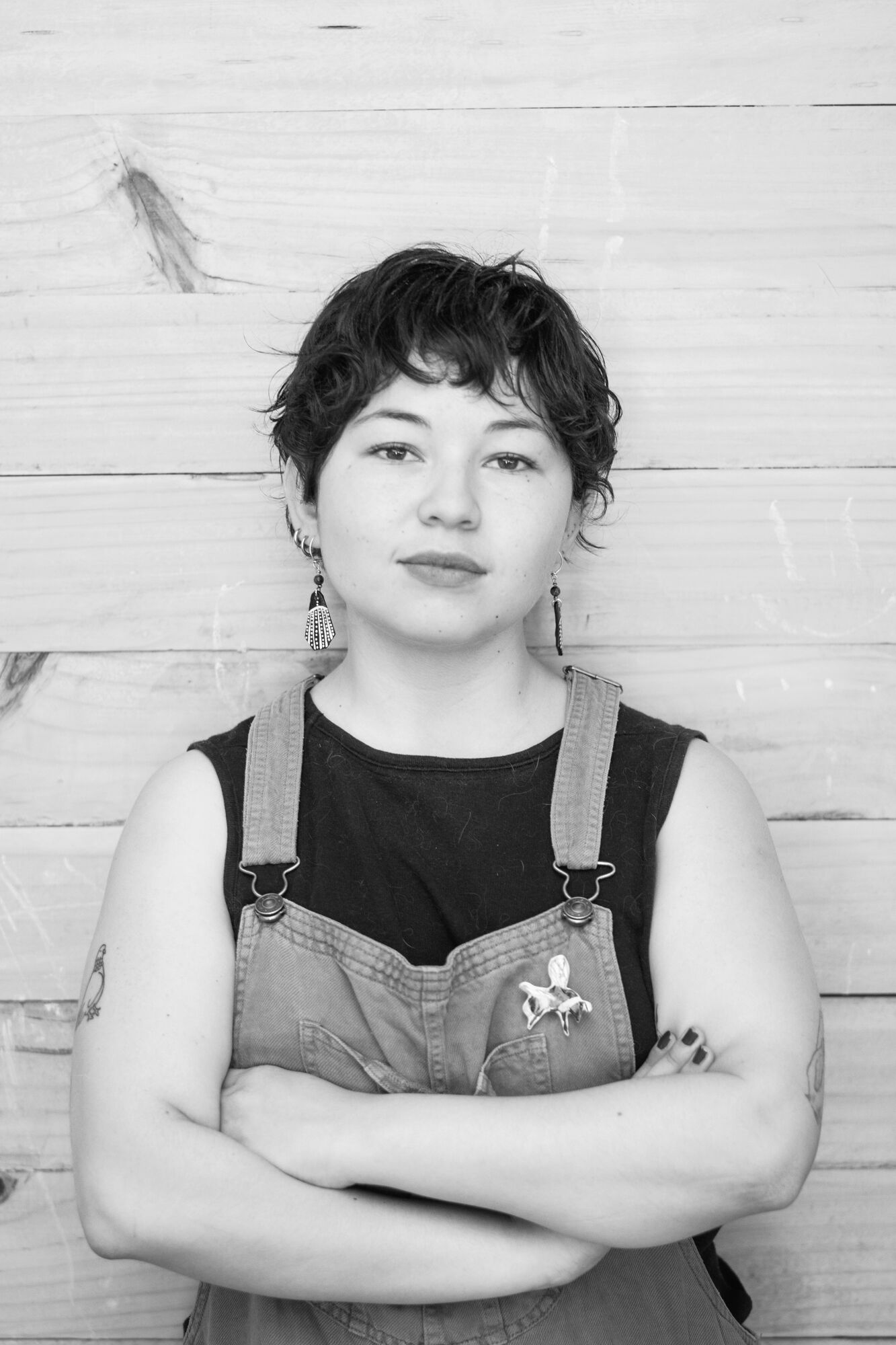
Allison Conley
Photography and video
Cristina Pérez
Usage examples images