What We Do
Welcome to Thinking Through Things, a platform that brings together a creative toolkit developed by Nube Lab for collaborative learning based on objects from university digital collections. Designed to implement COIL methodologies within the U21 network, it offers activities and resources ranging from intuitive exploration to critical reflection.
Learn More arrow_forwardWhy We Do It
There are objects that last and others that endure. Some were designed to traverse time through their materiality; others have been sustained in collective memory through the ways in which they have been touched, felt, and transmitted. Through affect, narratives, or gestures of care, certain objects accumulate layers of meaning that make them relevant beyond their original function. This project proposes following those trajectories and extending them into the present, incorporating the perspectives of those who use them, transform them, or teach with them.
In a context of international education, digital collections make it possible to look again at objects made in specific times and places, through new questions in different realities, inviting students to recognize themselves and reflect on global issues from a situated and affective perspective.
University collections, in their variety, specificity, and richness, are a repository of both local and universal culture. Thinking about learning with the objects in these collections as a starting point opens new possibilities for incorporating intercultural and humanized perspectives into education.
Our Inspiration Source arrow_forwardHow We Do It
Thinking Through Things is a methodology developed by Nube Lab to foster collaborative learning among international students through objects from university digital collections in the U21 network. The process begins with intuitive exploration dynamics and Imaginative play, then moves toward critical questions, group work, connections with the surrounding environment, and pedagogical reflection. The goal is not only to know objects, but to learn with and through them. From the shared experience of students from different cultures, we propose moving across one's own perspectives in order to generate collective and global knowledge.
This site contains a toolkit for applying the methodology, a logbook of the creative process of the team that designed it, methodological references, and open documents for use and adaptation.
Let's Start arrow_forwardStep By Step
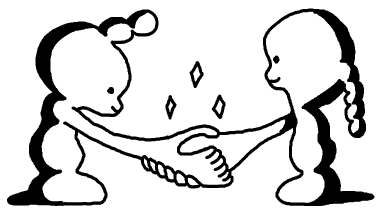
Step 0: Ice Breakers
Short icebreakers to get to know one another, build trust, and spark initial reflection on objects. (60 mins.)

Step 1: Be Curious
Explore the digital collections with curiosity and intuition to choose an object that catches your eye. (60 mins.)
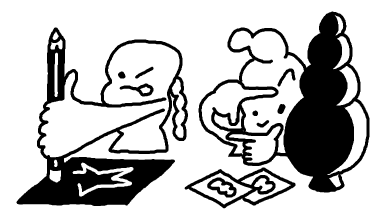
Step 2: Look And Pause
Carefully observe the object by drawing and describing it to uncover hidden details and meanings. (50 mins.)
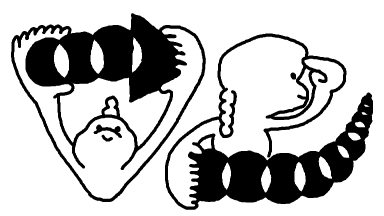
Step 3: Imagine
Play, imagine, and embody the object to unlock new creative interpretations. (40 mins.)
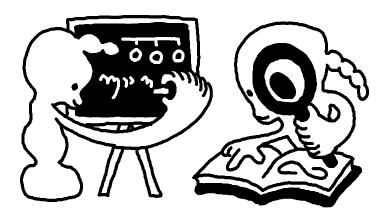
Step 4: Go Deeper
Participants research the object's context, origin, and function using collection data to deepen understanding and interpretation. (60 mins.)
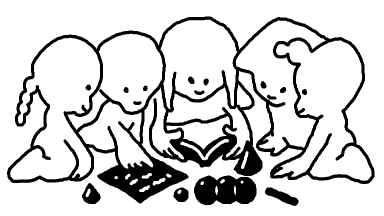
Step 5: Engage
Participants connect the object with personal experiences, cultural contexts, or memories, building meaningful relationships and insights. (90 mins.)
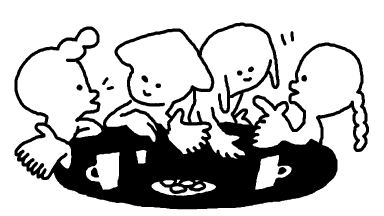
Step 6: Reflect
Participants review the process, share insights, and reflect on learning outcomes from observing, imagining, and interpreting objects. (30 mins.)